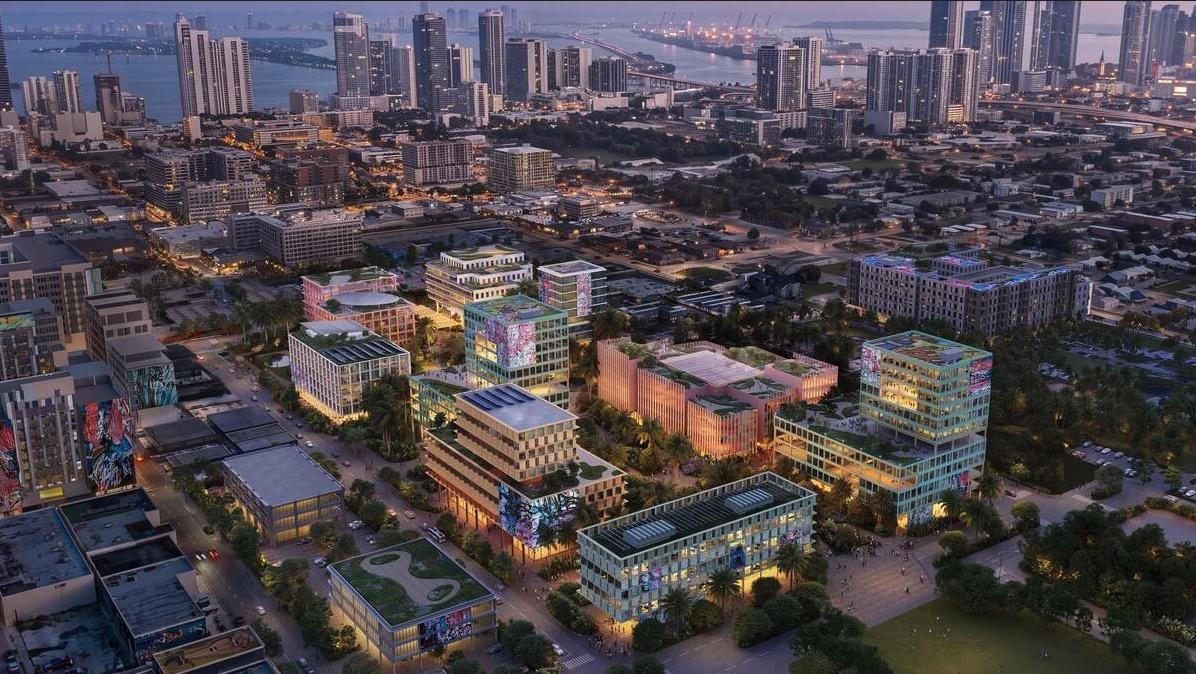
West Palm Beach got Vanderbilt University. Now, Miami is getting Carnegie Mellon.
Carnegie Mellon University is planning a 35-acre campus in the heart of Miami’s Wynwood neighborhood, backed by a $3 billion gift from billionaire Ken Griffin that the university says is the largest individual donation ever made to an institution of higher education. The project will bring thousands of students, hundreds of faculty and staff, and a major research institution to a neighborhood that is already being reshaped by new residential buildings, offices and infrastructure.
Planned on the site of Mana Wynwood, Griffin bought the property for $1.1 billion in cash, after developer and land banker Moishe Mana spent years assembling the site. Mana has said the property was never for sale, but Griffin’s team reached out to him about the land, and the conversations eventually led to a deal that was widely considered the largest land assemblage in Florida history.
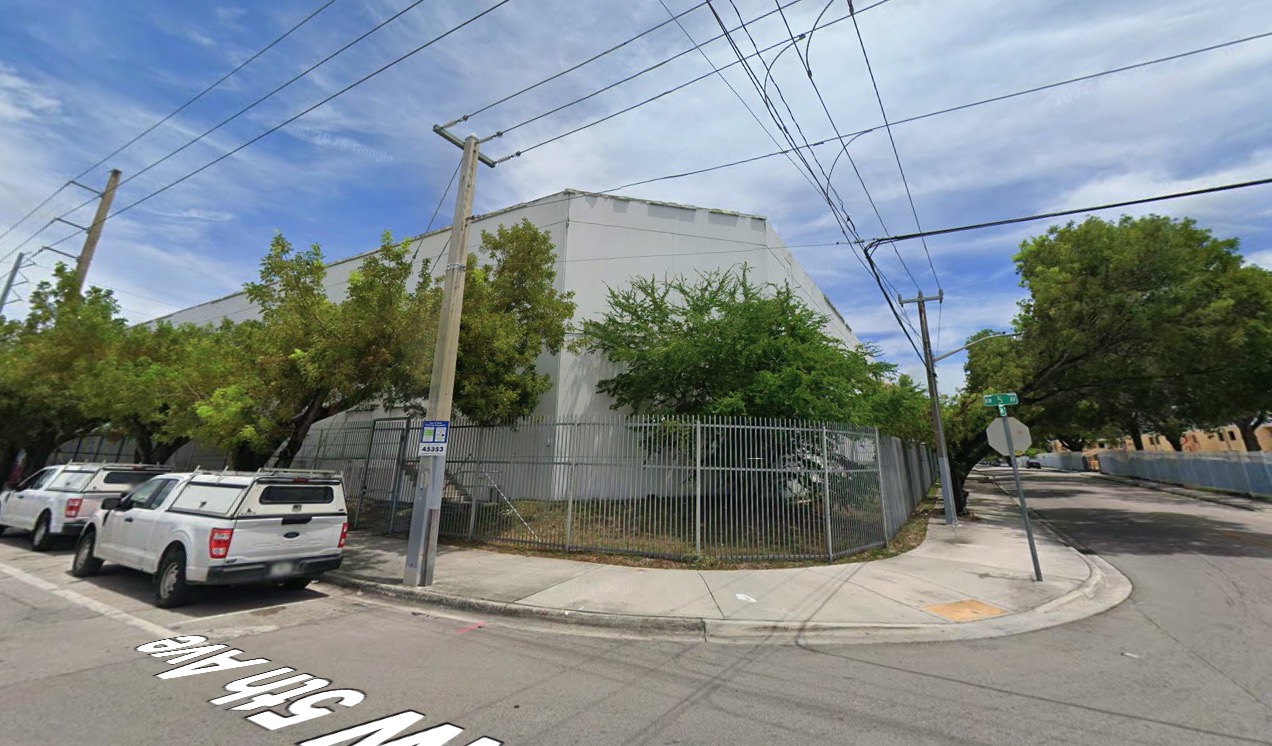
The university plans to enroll its first students in 2028, with more than 3,500 undergraduate and graduate students, 300 faculty and 600 staff ultimately based at the campus. A groundbreaking is expected next year. Of the $3 billion gift, $2 billion will fund the Miami campus, while the remaining $1 billion will go to Carnegie Mellon’s main campus in Pittsburgh.
What Carnegie Mellon plans to build on the site is intended to look different from a conventional university campus. The university says CMU Miami “will reimagine higher learning by inverting the traditional model,” organizing teaching and research around problems that cross traditional academic disciplines rather than separating students into isolated majors.
Four areas will anchor the campus at launch: human health and biological discovery, national security and strategic capabilities, energy and climate resilience, and advanced manufacturing and industry. Advanced computing will run through all four, with the university planning to combine it with fields including science, engineering, policy, business, design and the humanities.
The degree-granting campus will initially focus on technology and innovation, according to Carnegie Mellon President Farnam Jahanian. While the university is particularly well known for its arts programs and its School of Drama, Jahanian said Miami will not offer arts programs at launch.

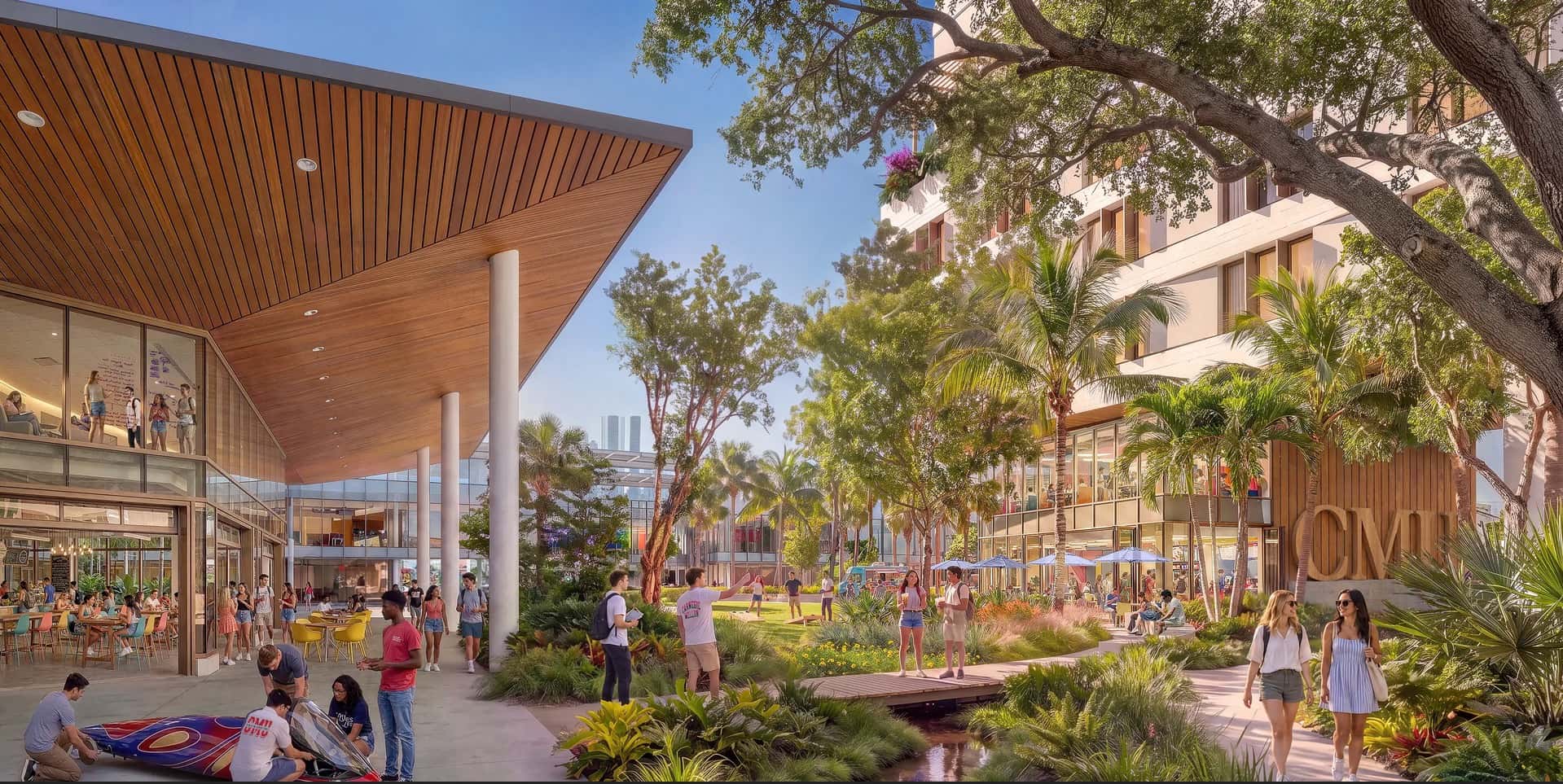
For Griffin, the location is part of the appeal, calling Wynwood “a wonderful location for a college campus,” according to the Miami Herald, pointing to the neighborhood’s energy and young population. The university will arrive as Wynwood and surrounding parts of Miami continue to attract major development, including recent plans for even residential towers.
Carnegie Mellon is also joining a broader wave of universities expanding into South Florida. Vanderbilt University recently announced plans for an expansion in West Palm Beach, following developer Related Ross’s investment in the city. Across the region, universities and other institutions have increasingly been drawn to South Florida as capital has poured into the state, encouraged in part by Florida’s business-friendly environment.
That same migration brought Griffin, the founder and CEO of Citadel, from Chicago to Miami. Since moving his businesses and family office to South Florida, he has also become a major local philanthropist, with donations supporting projects including the Underline and the University of Miami. His $3 billion gift to Carnegie Mellon now adds a university campus to that list, and gives Wynwood a new institutional anchor as the neighborhood enters its next phase of development.
2 Comments
I’d imagine it’s all of the Mana Wynwood SAP. If you google it, you’ll fine an aerial outline image The Real Deal posted. The SAP was reported to be around 30-acres, the same number reportedly sold to Griffin. The complete CMU Miami plan calls or 35 acres.
Is there an aerial outline showing the exact parcels that will belong to the campus? I imagine we don’t have official site plans yet, but it’s not clear to me which parcels were and weren’t included in the sale from Mana, since it was also reported that Mana is keeping some properties in Wynwood.