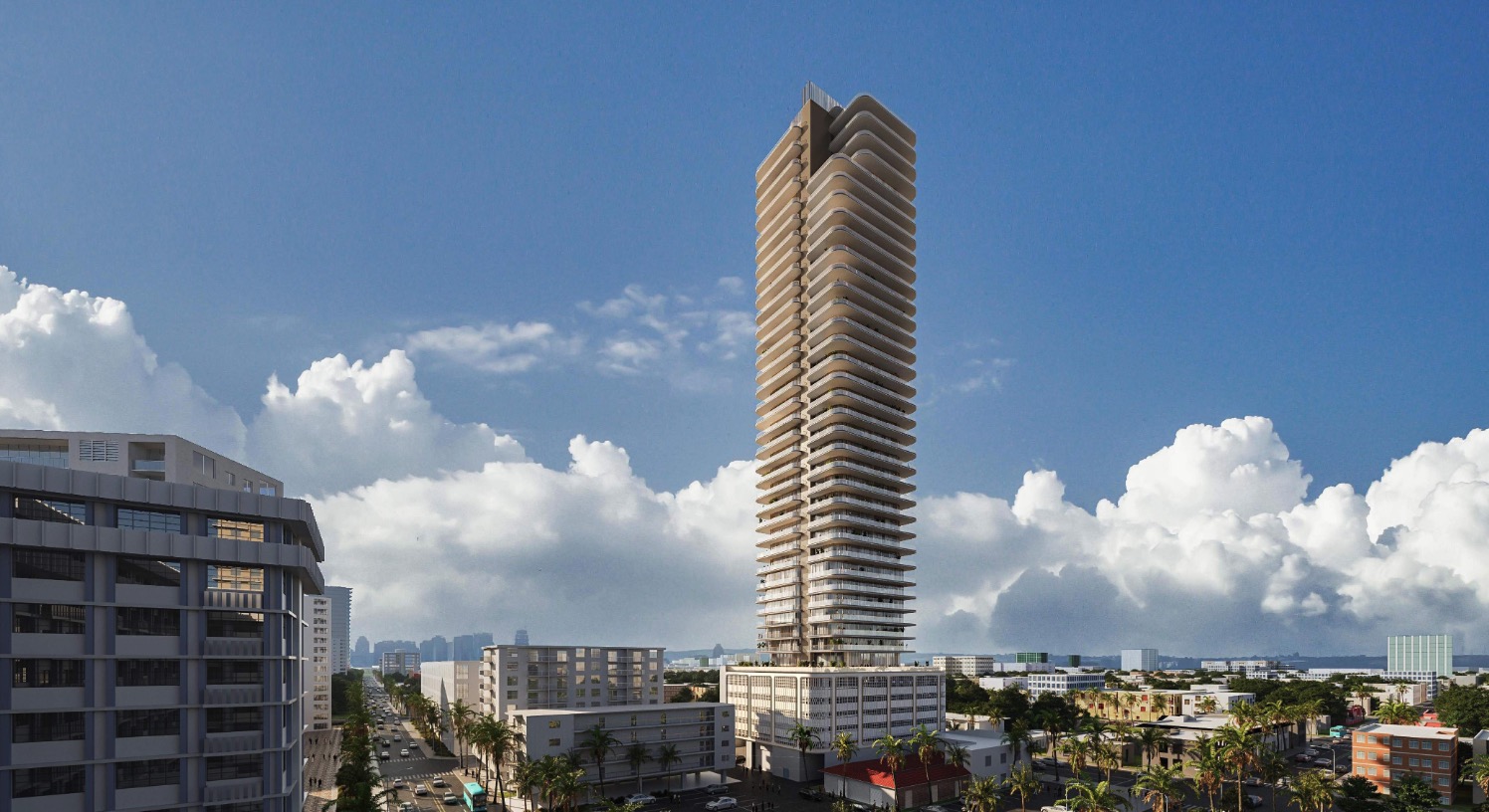
As Miami Beach grapples with a sudden influx of high-rise proposals enabled by Florida’s Live Local Act, a pro-housing law that gives developments significant exemptions from local zoning restrictions, a second trend is beginning to emerge. Developers are not just using the law to build taller, but are now returning with some of those same proposals and pushing them even further.
Live Local Act proposals across the historically anti-development city are increasingly being resubmitted at greater heights, testing the upper limits of what the law allows. The latest example is 824 Alton Road in South Beach, where a proposal that originally called for a roughly 400-foot tower has now been pushed past the 500-foot mark. The revised project would rise 525 feet, making it one of the tallest buildings in Miami Beach if built as proposed.
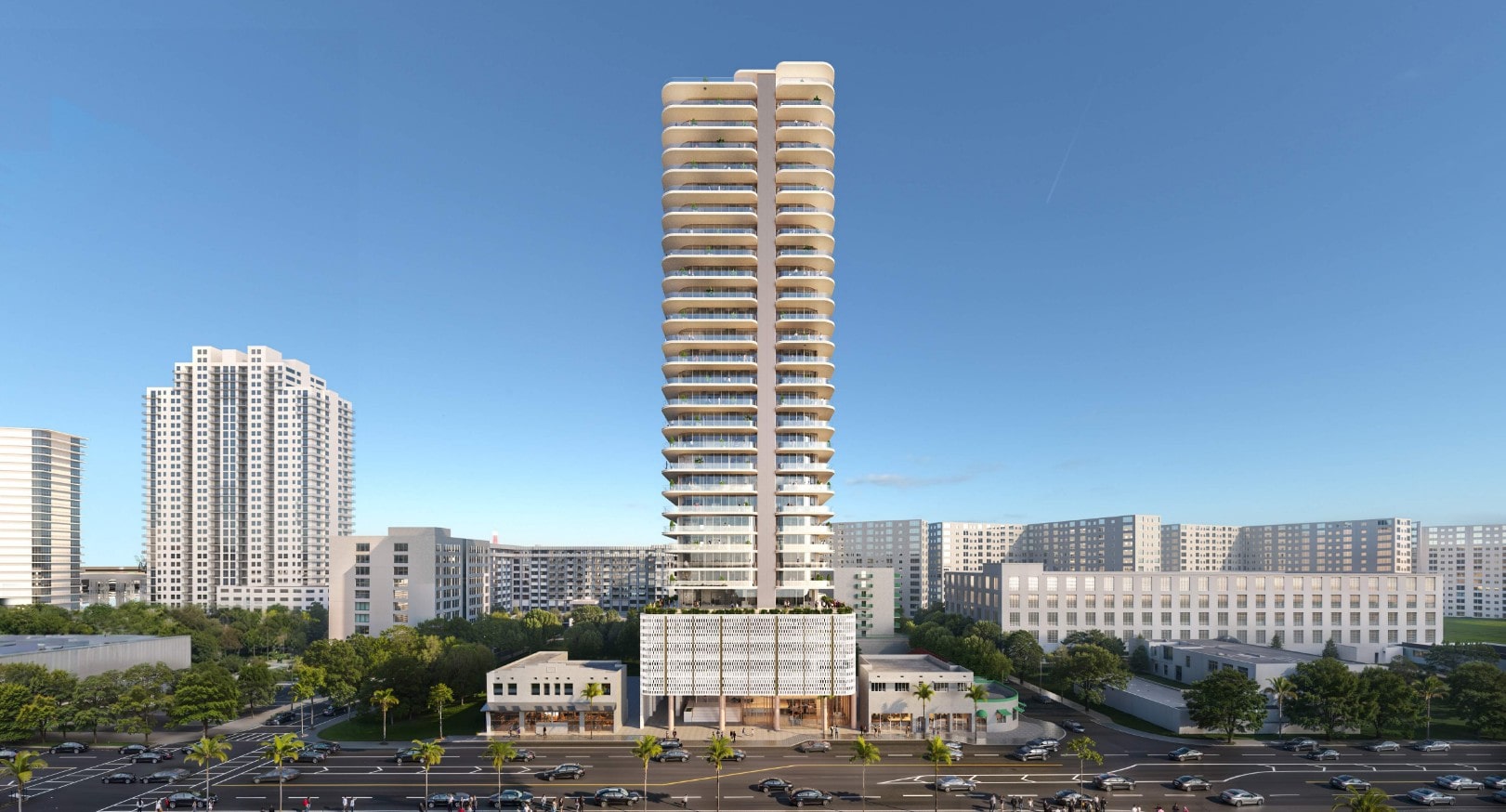
The change is especially notable given what is happening nearby. Another proposed tower along the same stretch of Alton Road recently jumped from roughly 200 feet to more than 500 feet, after already being submitted under the Live Local Act. Both projects are tied to developer Russell Galbut through affiliated development companies (Crescent Heights, GFO Investments), adding to his growing collection of projects across Miami Beach.
At 824 Alton Road, the latest plans would increase the project from the 31 stories proposed in 2025 to 39 floors, adding both height and density to the development. The number of residences would increase from 120 to 149, including 72 workforce housing units and 77 market-rate residences. The market-rate apartments would average roughly 1,368 square feet, while the workforce units would average just 445 square feet, creating a substantial difference in the size of the two portions of the project.
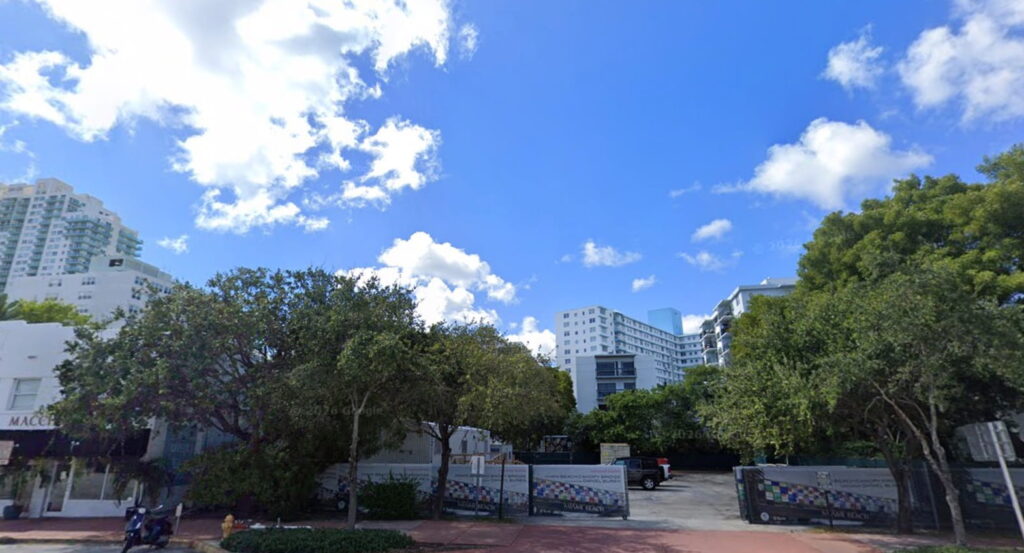
The workforce component is central to how the project qualifies under the Live Local Act. The legislation provides developers with significant development rights in exchange for reserving 40% of their residential units for households earning no more than 120% of area median income. At 824 Alton Road, that means 40% of the project’s apartments would be designated as workforce housing. This, in other words, would allow developers to price studio units at around $2,800 a month at most, and $3,000 for one bedrooms.
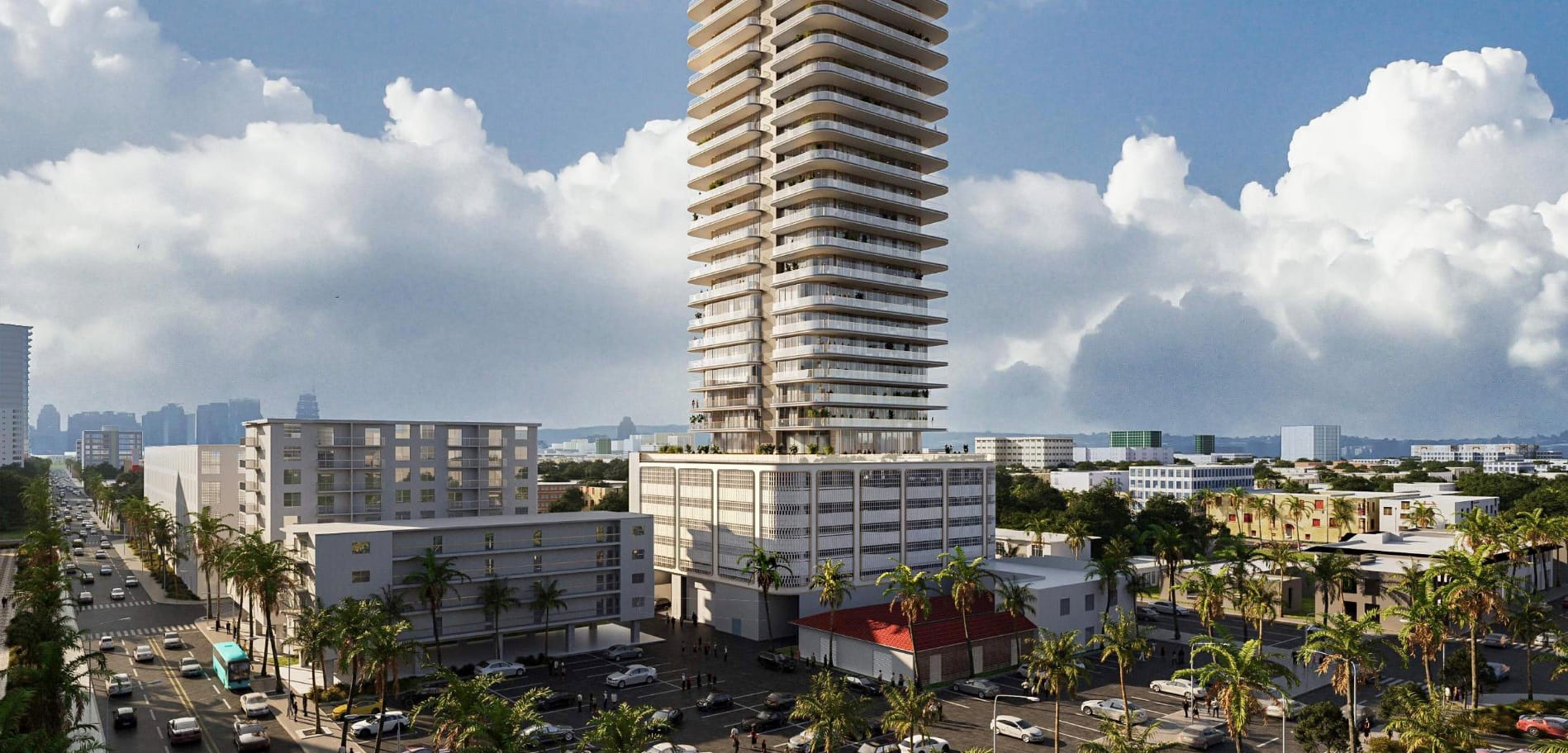
For residents, a seventh-floor amenity deck would feature multiple pools, outdoor seating and terraces, alongside 5,909 square feet of indoor amenity space. Higher in the building, a private club on the 36th floor would include 4,619 square feet of indoor space with a bar, seating areas, and restrooms. The club would also open onto an outdoor pool and terrace.
Down at street level, relatively little would change. The project would include 2,556 square feet of ground-floor retail, while the bigger revision comes in the parking garage, which would grow from 119 spaces in the original plans to 156 spaces in the latest proposal. The six-level podium would sit beneath the residential tower.
But despite changes to the interior program of the development, the most dramatic change is still the building’s height. RSP Architects’ original 2025 plans called for a tower rising roughly 411 feet, already making it a significant addition to the South Beach skyline. The latest plans now put the tower at 525 feet, with the highest roof, a pool deck on the 40th level, reaching approximately 510 feet. That represents an increase of more than 100 feet from the original design and would push the project firmly into Miami Beach’s upper tier of high-rises.
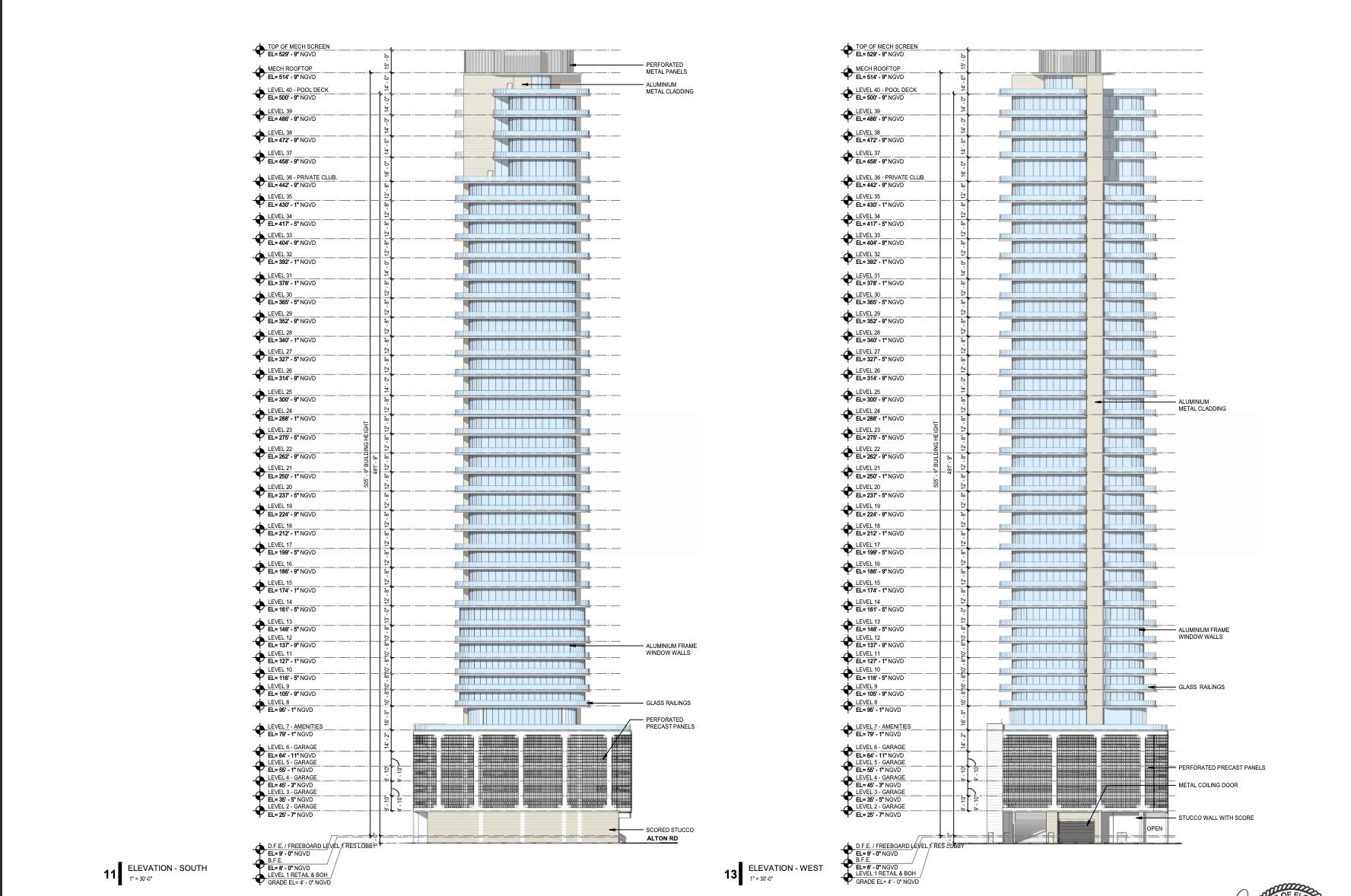
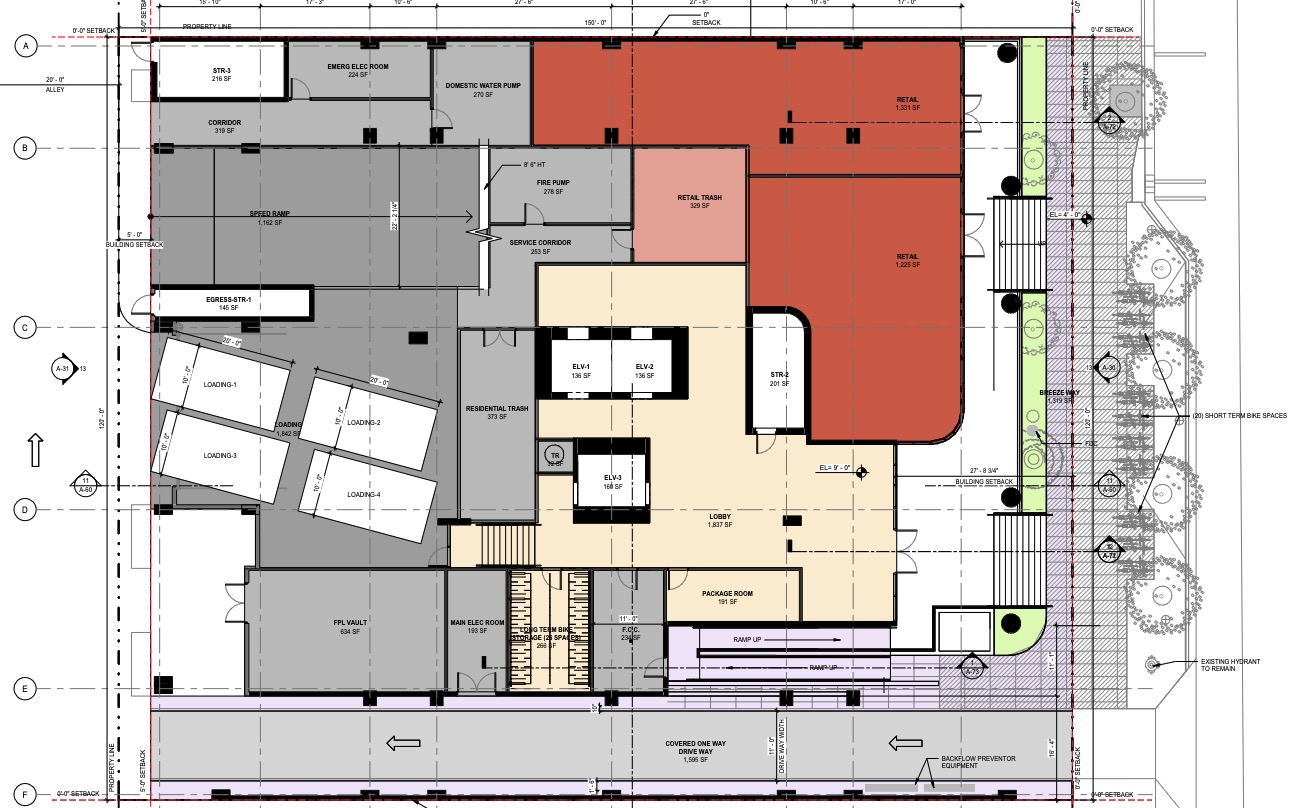
At 525 feet, the tower would become just the third building in Miami Beach to rise above 500 feet, although that number could change quickly as more Live Local Act projects are submitted and existing proposals receive significant height increases. While the amount of land eligible for Live Local development is limited, developers have so far pursued projects on only a fraction of those sites, leaving plenty of room for Miami Beach’s skyline to change.
3 Comments
Horrible
Not good news for the community
Miami beach development is really starting to pick up steam! How many of them will actually get built.