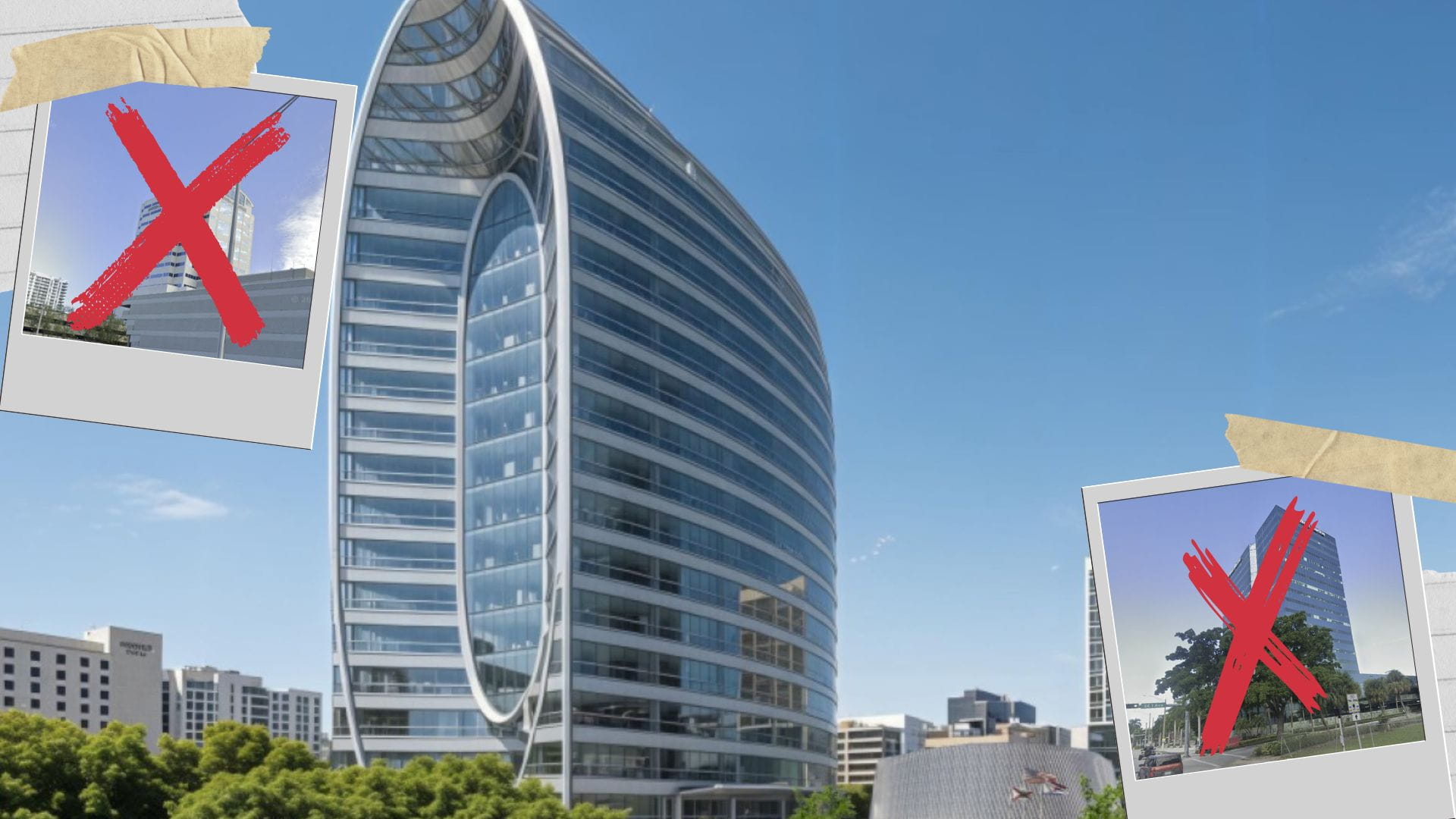
Plans to build a new state of the art City Hall in Fort Lauderdale appear to be back on course after a brief but dramatic detour that threatened to upend negotiations with a development team in favor of buying and retrofitting a nearby office tower.
The shift began at the end of a January 20th commission meeting, when Commissioner Ben Sorensen raised an internal email regarding a potential sale of Tower 101, a downtown building where city operations are temporarily housed. The message, sent days earlier, relayed an unsolicited proposal from the property’s ownership. By the close of the late night meeting, Sorensen, Vice Mayor John Herbst, and Commissioner Pamela Beasley-Pittman all signaled interest in exploring the idea, placing the city’s ongoing development negotiations in question.
The tower option introduced an immediate policy dilemma. Only weeks earlier, commissioners had ranked proposals and selected FTL City Hall Partners, a team led by CORE Construction, Stiles Corp., and PALMA, as the top candidate to deliver a new purpose built civic complex. Their vision called for a contemporary glass tower designed to consolidate municipal operations into a single facility. While Fort Lauderdale still has the right to revisit the process, alternatives would risk delaying negotiations and potentially undermine the competitive process.
Moreover, walking away from the deal would not be inexpensive, as the city would need to cover the developer’s out-of-pocket costs in addition to a development fee, likely totaling more than $1 million.
Through February, however, support for the tower began to soften. Beasley Pittman clarified that her initial interest was exploratory and later cited concerns about the cost of even analyzing the purchase. A formal evaluation of Tower 101 alone, including appraisals, surveys, and title work, was estimated at roughly $120,000 dollars. Beyond that, commissioners acknowledged the likely expense of bringing the building up to modern standards, from impact resistant glazing and mechanical upgrades to redesigned public meeting space.
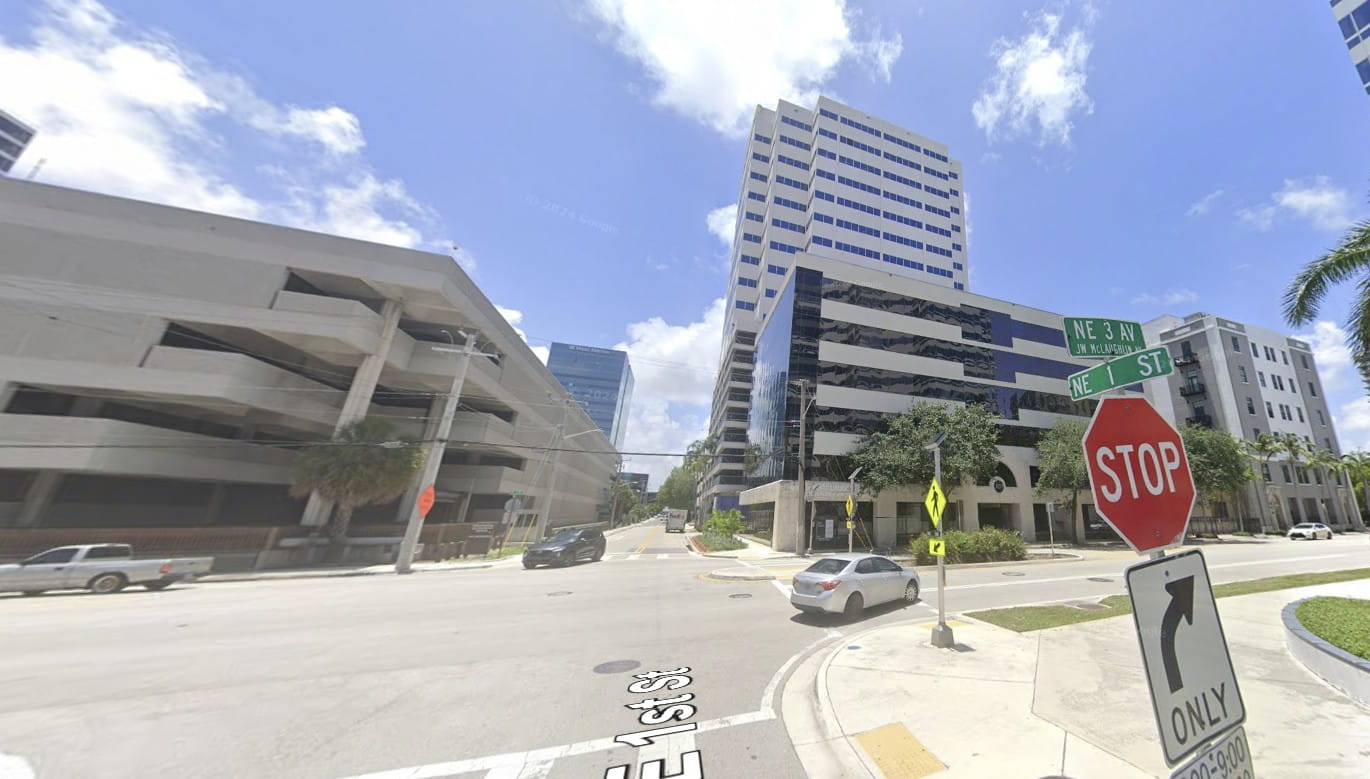
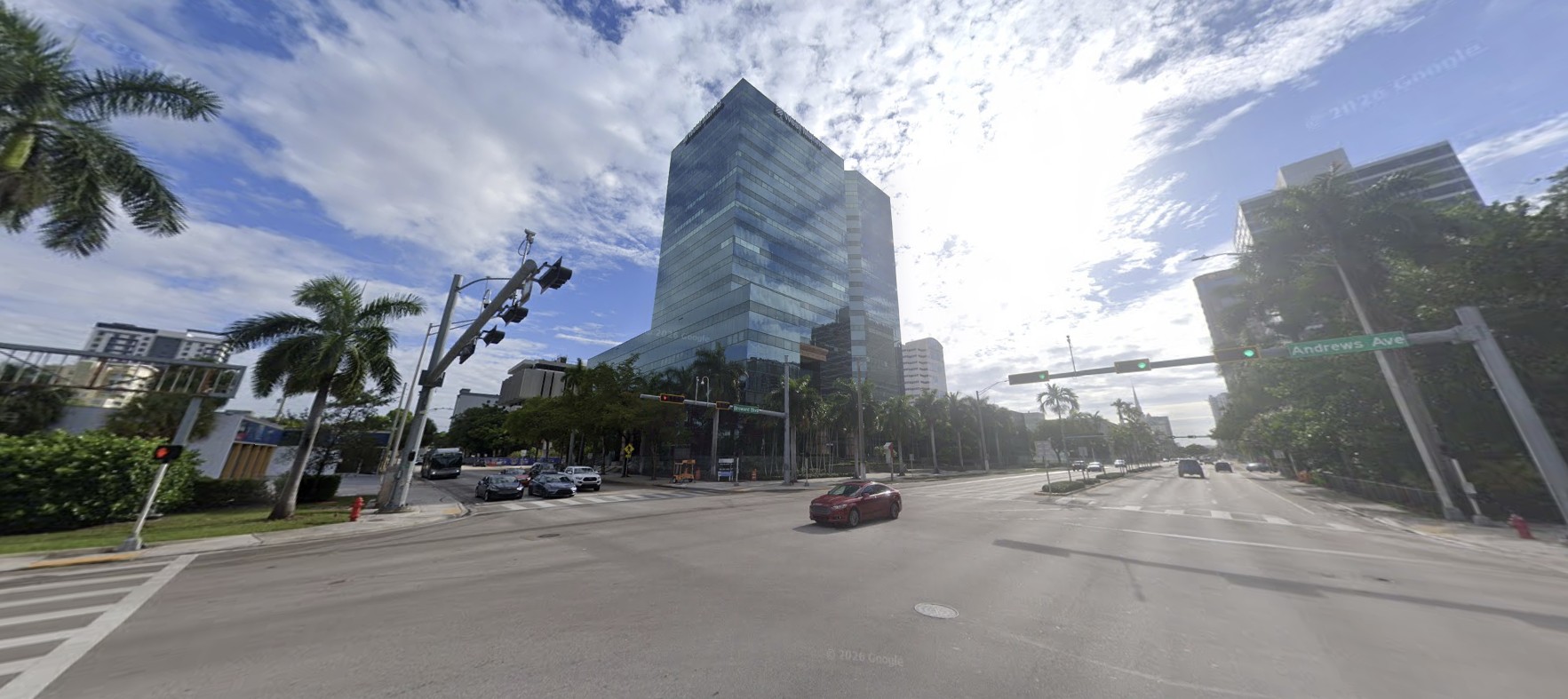
Mayor Dean Trantalis and Commissioner Steve Glassman opposed the pivot throughout, framing it as a distraction from a process already well underway. Trantalis warned publicly that entertaining purchase offers could open the door to additional unsolicited proposals, a prediction that quickly materialized when the owners of 1 East Broward floated their own potential sale at roughly $122.5 million dollars.
As reported by the Sun Sentinel, which has tracked the issue throughout, Mayor Dean Trantalis said “Every building on the block is going to come to us now and say, ‘Buy me, buy me.’ I thought we made a commitment. I thought we had a vision. I thought we were looking to the future. Has that changed?”
Despite the cooling enthusiasm, lobbyists for Tower 101 continued pressing their case. During a February meeting, a representative urged commissioners to keep the conversation alive, prompting a sharp rebuke from Glassman, who argued the city should remain committed to its chosen path rather than revisit alternatives.
Underlying the debate was a fundamental disagreement over cost. Herbst and Sorensen maintained that acquiring an existing tower could ultimately save tens of millions compared to new construction. Skeptics countered that renovation costs would likely erode much of that advantage, particularly given the specialized needs of a civic building for a city the size of Fort Lauderdale.
The urgency surrounding the decision originates from the city’s current circumstances. Fort Lauderdale has been without a permanent City Hall since April 2023, when a historic rain event flooded the basement of the former building, destroying critical infrastructure (servers, electricity, etc) and forcing its eventual demolition. The cleared site has since been earmarked for redevelopment.
With the commission now refocusing on negotiations with FTL City Hall Partners, the project is expected to proceed in stages, including an interim agreement followed by a comprehensive development deal. Still, a degree of uncertainty remains. Officials continue to monitor a potential statewide ballot measure that could reduce property tax revenues for homestead properties, a change that might require further cost adjustments or value engineering before final approval.
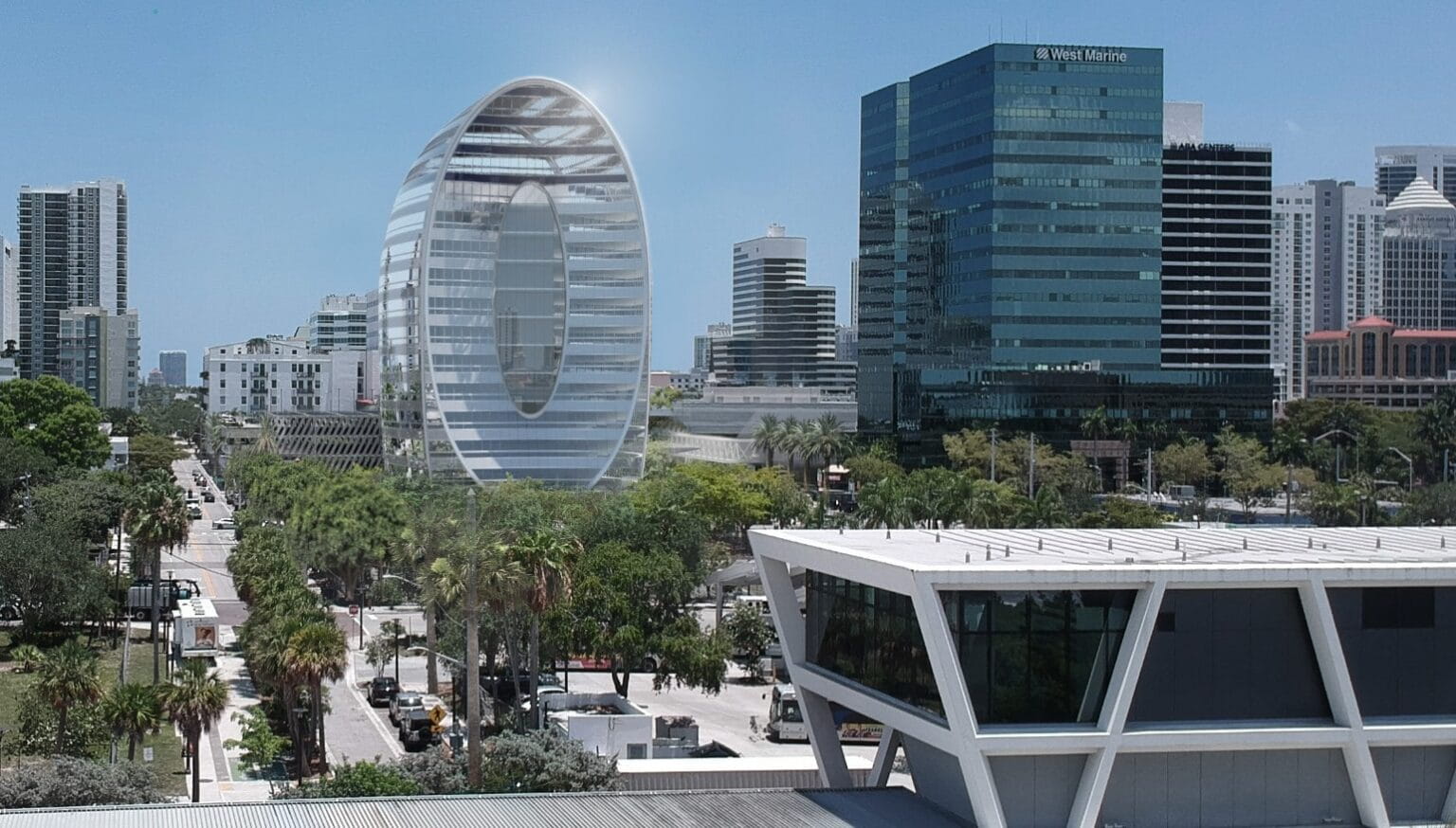
For now, after weeks of political talk and competing ideas, the city’s direction appears steadier. The emphasis has returned to delivering a new civic headquarters, even as financial and design details continue to evolve.