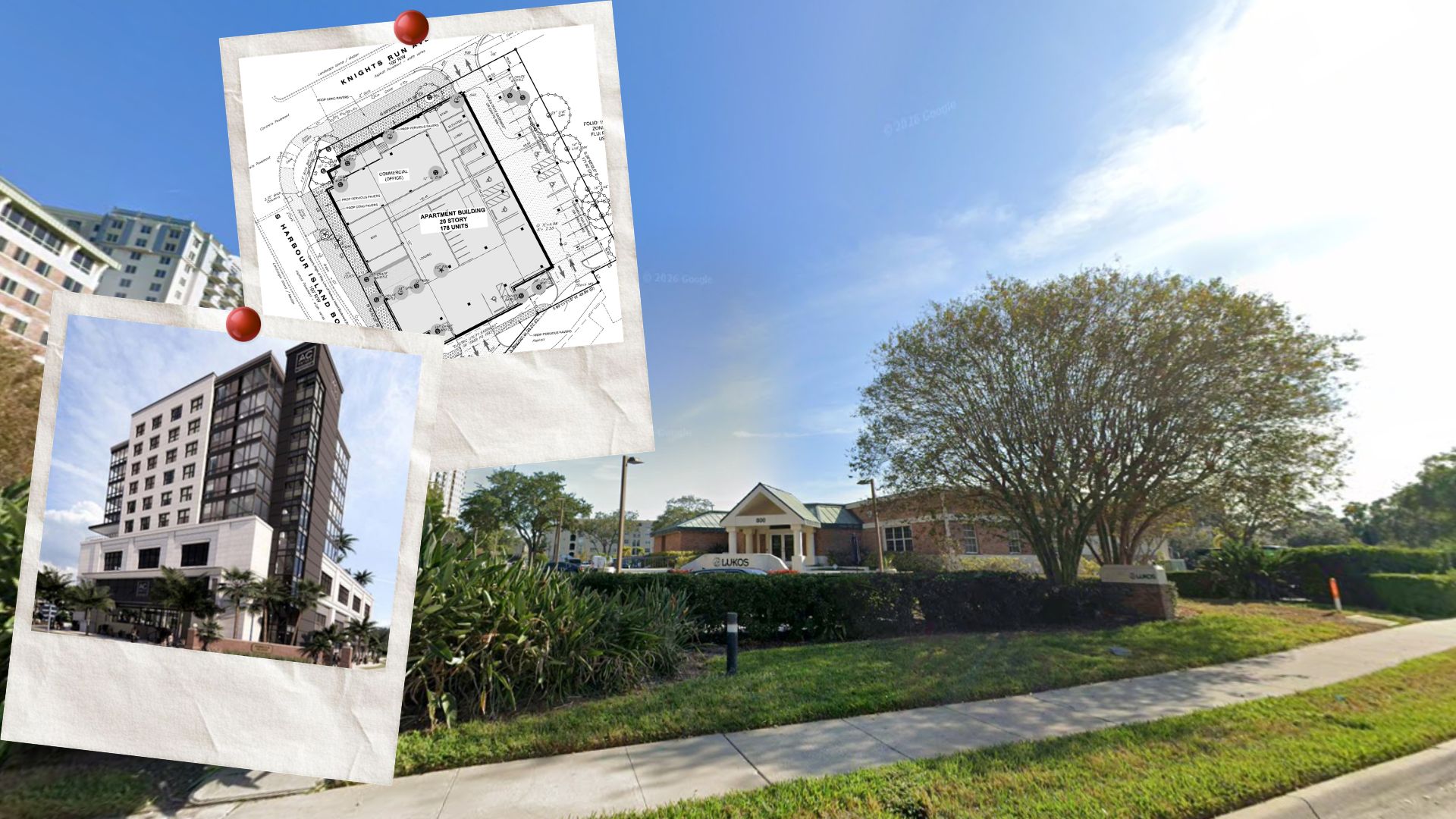
A rejected hotel project on Harbour Island is coming back, and at twice the height the city once turned down. This time, however, the Tampa City Council has little say in the matter.
Liberty Group, a locally-based developer, has submitted plans for a 20-story mixed-income residential building at 800 South Harbour Island Boulevard. The shift from the original hotel concept is no accident: the project is being submitted under Florida’s Live Local Act, which mandates residential-majority developments. Underlying it all is a legal battle that could ultimately reach the Florida Supreme Court.
A Law That Changes the Rules
The Live Local Act, signed into law in 2023 and amended multiple times since, has emerged as one of the most important pieces of housing legislation in Florida’s recent history. The law allows developments on land designated as commercial, industrial, or mixed-use to bypass traditional zoning hurdles; and for this property, designated as PD or Planned Development, it applies.
Under the Act, qualifying developers are entitled to build at the highest height permitted within one mile of their site, access the highest density allowed in the municipality, receive added floor area ratio, and benefit from parking reductions.
Most importantly, projects receive administrative approval, meaning they can move forward without going before the public boards that killed the original hotel proposal. The result is a 20-story development with the possibility of zero community input.
From Hotel to High-Rise
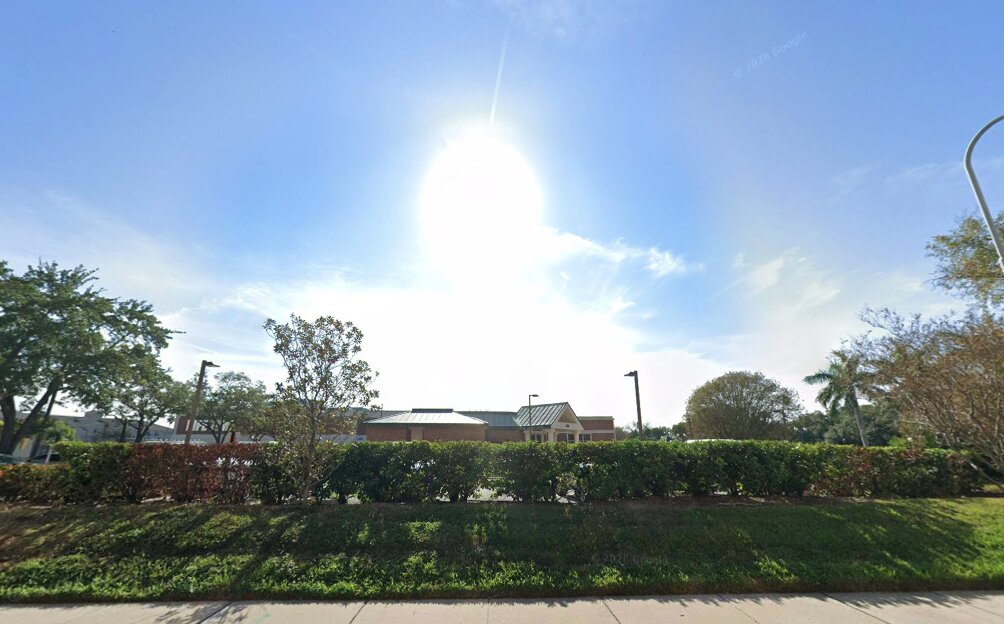
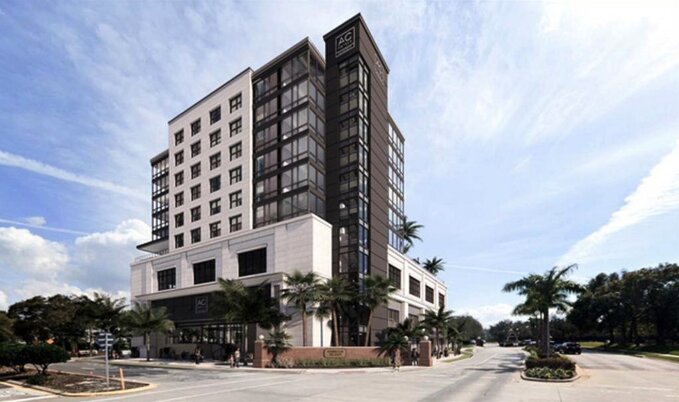
Liberty Group’s history on Harbour Island has been a long one. The developer first proposed a 15-story hotel, then trimmed it to 12 stories, then to 10, each time attempting to address the concerns of a community that remained opposed. Twice in 2022, the Tampa City Council sided with residents, rejecting the developer’s rezoning and land-use requests. It’s a pattern the council has repeated elsewhere, with the most recent denial being Magnolia Court Hotel, a boutique hotel proposal in Bayshore.
With those avenues exhausted, Liberty Group pivoted. By resubmitting under the Live Local Act as a residential project, the developer has effectively bypassed the council entirely, provided nothing in the project triggers a formal review.
The question that now hangs over Tampa’s development community is a vital one: if a project is denied, can a developer return with something bigger and bypass the process that stopped them the first time? It is a precedent that could reshape how the city council weighs any future denial, knowing that rejection may not be the final word: just an invitation for something larger.
A Legal Battle With Statewide Stakes
The litigation behind this project has already upset the boundaries of local government in ways that extend well beyond Harbour Island.
After the City Council’s second denial, Liberty Group sued, arguing the council had ignored its own rules in favor of political pressure. In 2024, a Hillsborough County circuit court judge dismissed the case, but not on the merits. Instead, the judge ruled that the Tampa City Council, as a legislative branch of government, lacked the legal authority to conduct the quasi-judicial hearings it has used to decide zoning and land-use matters for decades.
Florida’s 2nd District Court of Appeal, however, found that the circuit court had erred, reversed the decision, and affirmed that the City Council does hold quasi-judicial authority over zoning decisions.
The case has since been sent back to the circuit court for review. Liberty Group’s attorney has since indicated the matter will likely be taken to the Florida Supreme Court, where its resolution could set a precedent.
What Gets Built
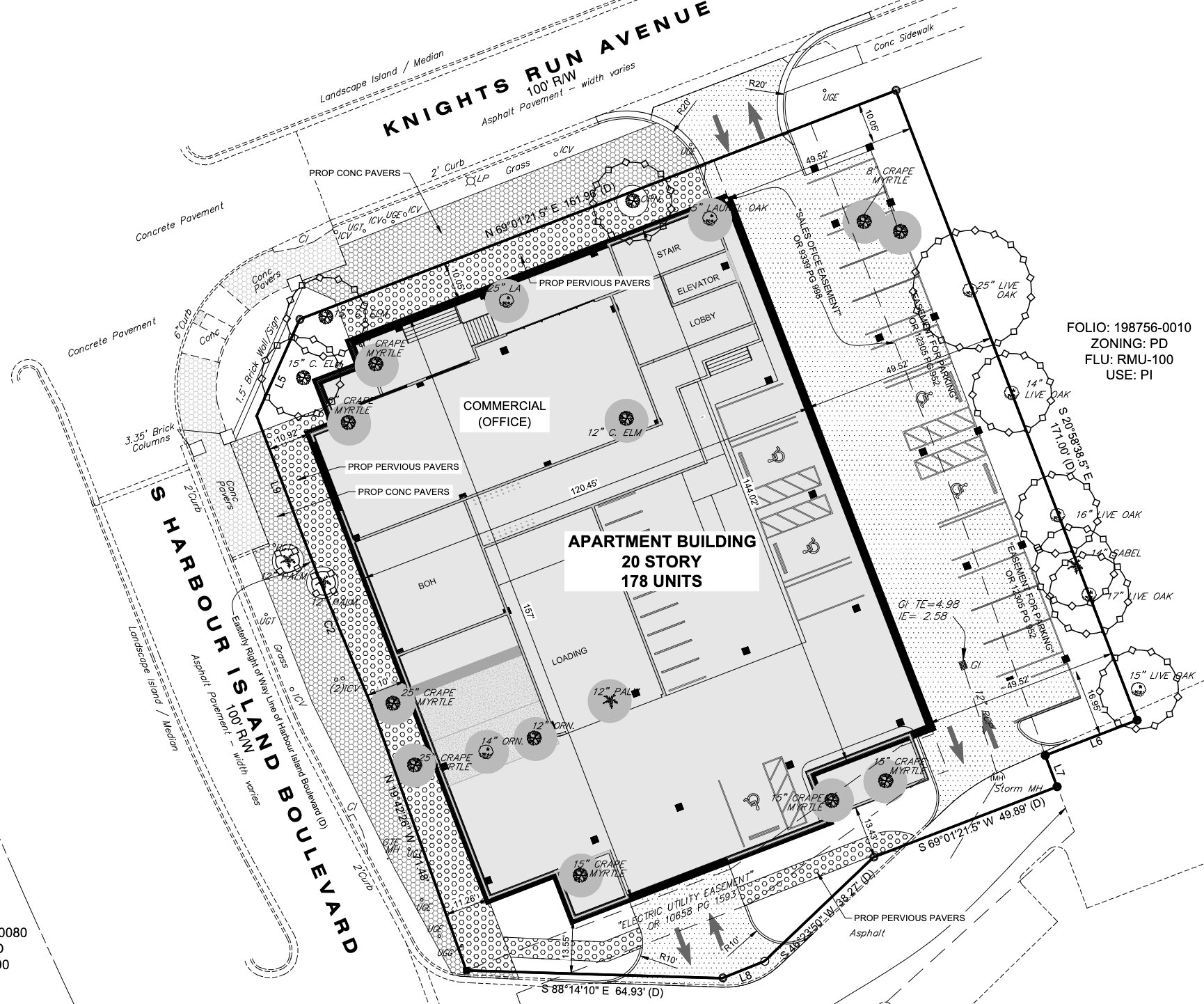
Should the project proceed as planned, the 20-story tower is expected to reach 200 feet. The Live Local Act would technically allow the tower to rise as tall as the highest building within one mile. With 100 North Tampa, the tallest building in the city at 579 feet and sitting within that radius, the ceiling is notably higher than what is currently proposed.
The development will contain 178 units ranging from one to two bedrooms. 40% of those units will be held at workforce housing rates for a minimum of 30 years, priced to remain affordable for residents earning up to 120% of the Area Median Income. Under 2025 Live Local rent limits for Hillsborough County, that translates to a maximum of $2,346 per month for a one-bedroom unit and $2,817 for a two-bedroom.
The ground floor will house 17,140 square feet of office space, topped by a multi-story parking structure containing 320 spaces. No official renderings have been released, though the building is expected to feature balconies, floor-to-ceiling windows, and other design elements common to Florida high-rises.
The project is currently awaiting administrative approval.